



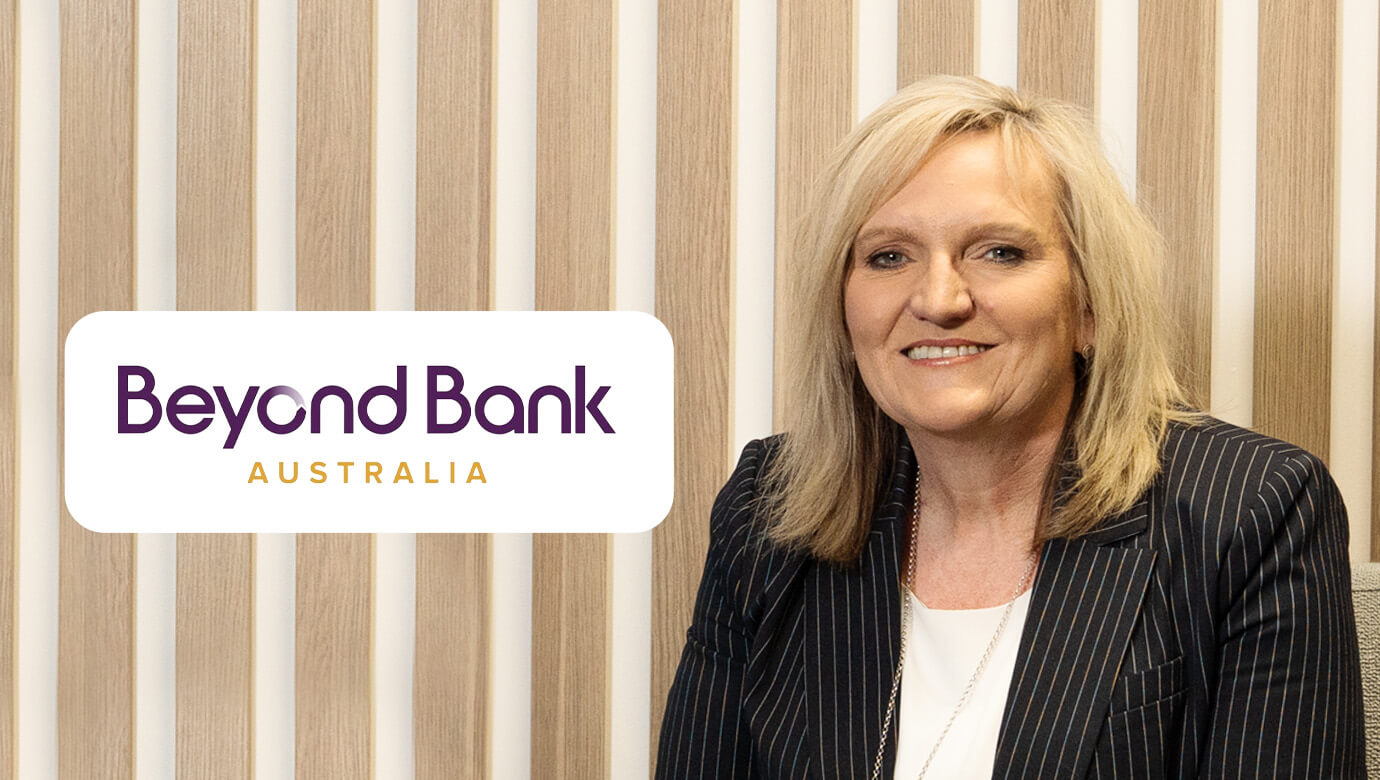




One Piece of Advice Series – Jo Cooper, Head of Product Management

Our One Piece of Advice series asks leaders across the business one simple question: what is the single best piece of advice you have ever received? This time we sat down with Jo Cooper, our Head of Product Management.
The question: what advice completely changed the way you view leadership, manage teams, or build relationships with others?
For Jo, the advice that landed early in her career was deceptively simple: understand the difference between technical capability and the ability to influence, and treat them as two separate skills.
“Early in my career I observed individuals being promoted ahead of me, getting greater visibility and better projects, I realised as you influence better, you will receive stronger engagement from stakeholders, and your career will move at a faster pace if you can do both.”
The multiplier effect
The technical skill, as Jo describes it, is what you would see in an ordinary job description. It is the ability to do the job well. But the ability to then communicate that work clearly, create a vision for others and make complexity easy to engage with is what turns quiet capability into recognised value.
“If you’re just sitting quietly working away, you can be really valuable and your delivery doesn’t change, but when you communicate it well you become known for it. You become acknowledged for it. You become the thought leader, the expert, the go-to person. And they’re the people who get the better projects, the profile, the promotions.”
You have probably seen it happen. Someone with less experience lands the project you thought your greater experience merited. More often than not, Jo says, the difference is that they have been having the right conversations with the right people.
Why communication is the hard part
It also explains where Jo now spends most of her time as a leader. When coaching her team, particularly people at mid to senior level, the guidance is rarely about the technical work itself.
“The nuts and bolts of what they’re doing has not changed. But the way they’re explaining it to others, that’s the bit that makes it accessible and makes you successful. How to read your audience, how to understand what your audience needs, how to flip the script on complexity to make it simple and consumable.”
That is because influence is genuinely harder than technical capability alone. Technical output is relatively black and white. Navigating people rarely is:. A conversation with your CEO is different to a conversation with your CTO, even within the same culture and the same organisation, because they are different people with different backgrounds, concerns and influences. Influencing your peers brings its own challenge: how do you do it without looking like you are stepping on toes?
Jo’s analogy for what strong communication does for a capable person is a good one. “It’s like getting them from a normal car into a race car. They’re the same person with the same technical skills, but it accelerates them.”
Advice that holds at every level
Does the advice change depending on where you are in your career? For Jo, not really. The core stays consistent; it is your audience that changes as you become more senior and more visible.
“Some of the rules are the same. Don’t try and sound like an expert when you clearly aren’t, because that isn’t authentic. Ask smart questions. Understand who you’re working to. Present in bite-sized chunks. Don’t take advantage of people’s time.”
So her advice to anyone new to a role, or emerging in one, is this: focus on the technical aspects of your role, absolutely. But do not underestimate the power of communication. Have it in your toolkit, and treat it as a muscle you are constantly building, reflecting on and growing.
Jo is the first to say she applies that to herself also. “I consider it something I’m still working on as well. I’m definitely not top of the tree. I’ve got learning and growth in this space and I still make mistakes. But I am deliberate about identifying it, refining it and working on it.”
Which might be the real lesson: the people who get this right are the ones who never stop treating it as a work in progress.
If these insights have made you curious to learn more about the people who make NextGen special, you can:
- Explore our current openings: Find your next challenge on our Jobs Page.
- Stay connected: Not ready to apply just yet? Join our Online Community to stay updated on new roles and see what is happening behind the scenes.
- Get to know us: Learn more about our mission, our values, and our people by visiting our Careers Page.




XS
SM
MD
LG
XL
XXL.